Table Of Content
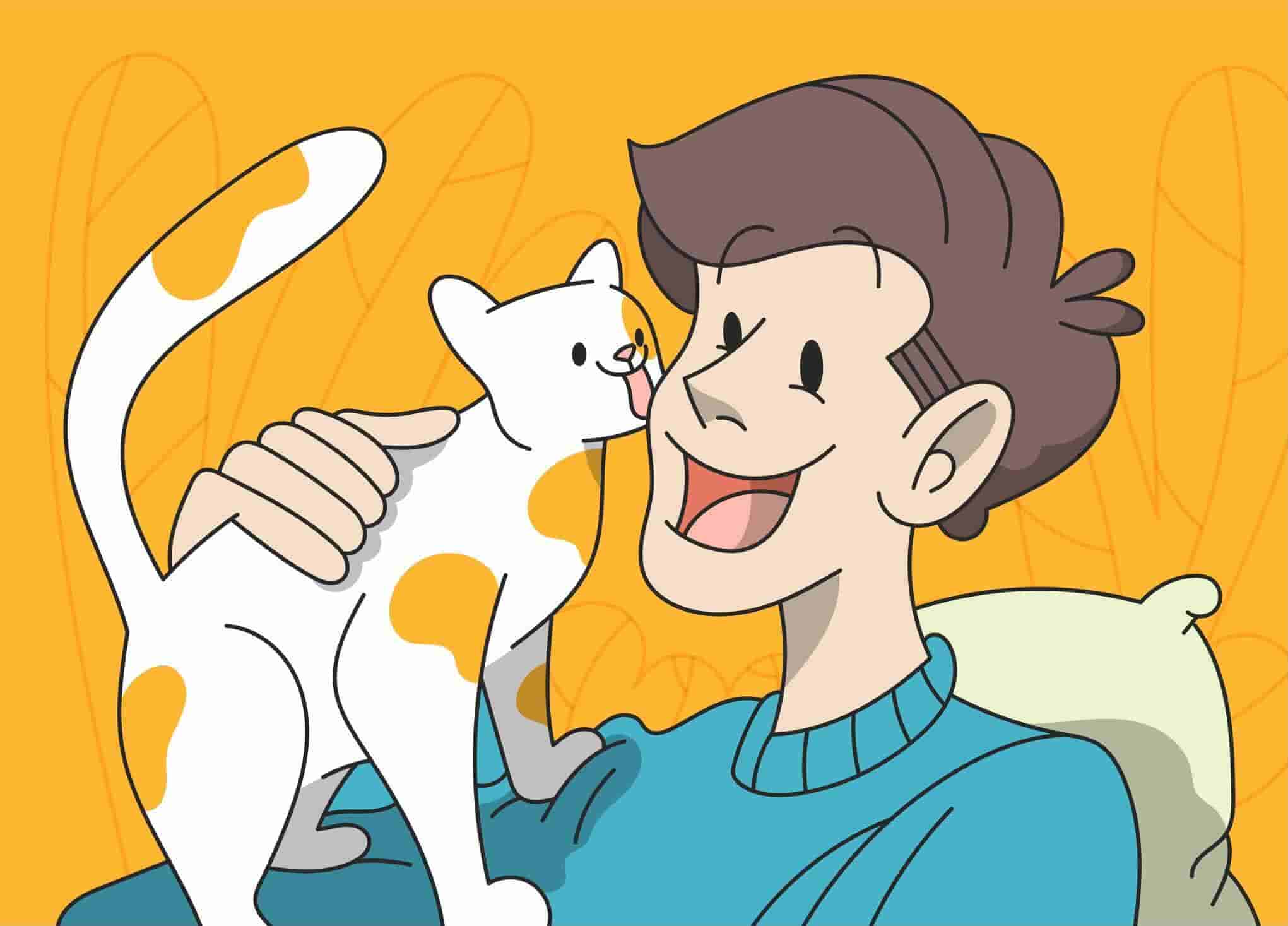
This can be achieved through the use of special grooming toys or textured mats. These alternatives effectively redirect the cats’ attention and fulfill their desire for a hair-like taste. There’s no need to call your veterinarian when your cats lick your hair. Like purring and knocking things over, licking is a normal behavior. Every time your cat licks your hair, remove the hair from her reach.

Cats groom humans due to smell
If you’re in bed and your cat starts to lick your hair, you can cover your head with a blanket or put a pillow in between you and your cat. Hopefully, your cat will get the message that you don’t like being licked. Allogrooming is a practice that involves multiple cats licking each other (their kittens included). Cats groom each other to build ties and establish social ranking.
Help us make PetMD better
Contact with baldness treatment can poison pets - VIN News Service
Contact with baldness treatment can poison pets.
Posted: Mon, 18 Oct 2021 07:00:00 GMT [source]
Your veterinarian will be able to provide you with additional help and advice in these often complex situations. Obviously, cats spend a large majority of their time grooming themselves, but it can leave us a bit confused when they start licking us constantly. You start to question whether or not they’re showing affection or trying to tell you that it’s time to take a shower. You’re not the only one who’s had to deal with constant licking from their feline companions.
It’s a Stress Response
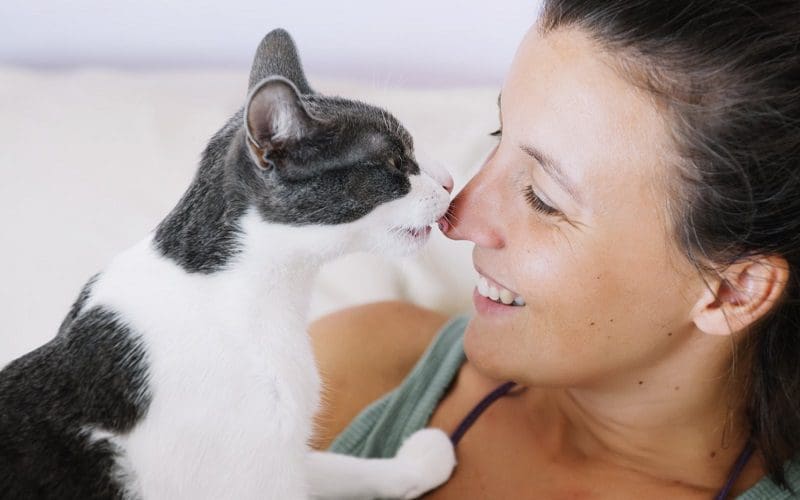
If your cat licks your hair, know that most often this is a sign that your cat really loves being with you. It can sometimes be related to illness and stress, so you do want to look at his overall demeanor to make sure this is a positive behavior. If you appreciate the compliment but prefer he didn't groom you, just move him away from your head or walk away from him and give him something else to do. He should get the message with some repetition that licking and biting your hair isn't an option for him. Cats will sometimes start licking your hair, or increasing the normal frequency of this behavior, if they're feeling stressed.
Decoding Feline Behavior: Why Does My Cat Lick My Hair?
Perhaps you have used shampoo, conditioner, or other products that they are attracted to and by. If you own a pet cat, then one of the more interesting behaviors that you may begin to notice is their desire to lick things. Why would a cat want to lick this particular area; what does it mean and how should you approach it? I decided to spend some time researching the reasons behind this action. Lastly, grooming allows for the early detection of health issues. While grooming, you can inspect your cat’s skin for any abnormalities such as lumps or irritations, enabling you to seek timely veterinary care if needed.
Your pet kitty might find the smell of your hair products (think shampoo) interesting, or they might also like the taste of the natural oils in your hair or skin. If you own multiple cats, you may notice them grooming each other. This is called allogrooming, often referred to as social grooming.
Is a Cat Licking My Hair Safe?
If your shampoo or conditioner is mint-scented this may be the reason your cat is trying to lick and rub your hair. Recovery time for cats with alopecia depends on the underlying cause, and it may take weeks to several months. If the underlying cause is identified and appropriate treatment is pursued, your cat’s hair will likely grow back.
What To Do To Stop Your Cat’s Hair Licking Behavior
Whilst grooming is quite a sweet gesture and most cats will do it because they love you and want to make sure you’re clean, it can be quite an annoying occurrence if it’s happening frequently. If you suspect that your cat is attracted to a certain product that you’re using in your hair, you could try switching products to see if that stops your cat from licking your hair. If your cat does start getting sick, vomiting, or have diarrhea from licking your hair, then it’s probably best to try and keep your hair away from them as much as you can. The practice has also been known to prevent external parasites from sneaking into fur and skin. “Since they can’t sweat, the moisture on their skin evaporates to cool them off,” added Dr. Delgado. If a cat is securely attached to its owner, it may be more likely to seek comfort from them through grooming.
Puzzle feeders, toys, and cat grass to chew on are all ways of enriching your cat’s environment and redirecting their behavior. If it doesn’t, you could try lightly misting your hair with a citrus scented spray as cats very much dislike that smell. Interestingly, another study determined that higher ranking cats in feline social circles did more grooming than lower ranking cats.
One of the only ways to get them to stop is to avoid them altogether. You have to remove them from your side and not look at, speak to, or touch them. If this doesn’t work, you can even pull a blanket over your head until she goes away. If you suspect that they just like the smell of your hair, you should consider switching shampoo brands. Cat spend anywhere from 30 to 50 percent of their day grooming themselves. It keeps their skin and coat in good health and doing the same to you could be their way of keeping you healthy.
The location of the cat’s alopecia is often a clue for what the underlying cause may be. For example, the base of the tail and lower back is often affected in cats with flea issues. Anal gland issues can cause irritation around the anus below the tail, and a cat with psychogenic alopecia will not have hair loss on its neck or face. "Over-the-top" licking does not always stem from a physical health problem; the behavior can occasionally have a psychological cause.


No comments:
Post a Comment